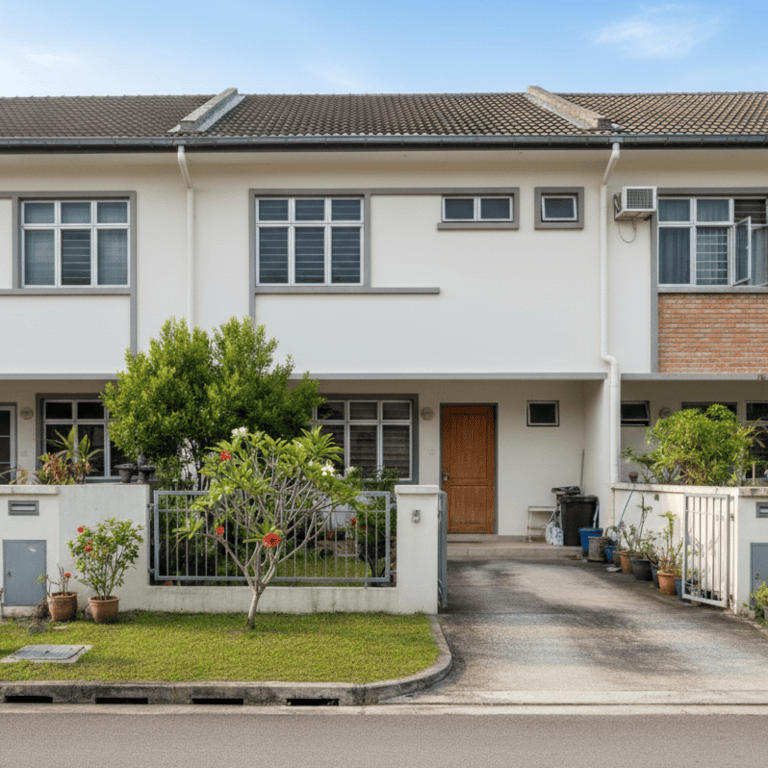
Usually, yes. Many 4-bedroom homes have at least 3 bathrooms (e.g., an en-suite master bath plus one or two other full bathrooms). That gives a big family multiple toilets/showers to use, reducing wait times. It’s good to check the exact count, but typically a 4-bedder is designed with enough bathrooms. You should have far fewer queues than in a smaller unit.
Maximize vertical space with over-door organizers, under-bed storage boxes, and wall-mounted shelves that don't require drilling. Use multi-functional furniture like storage ottomans. Check if you can use common area storage like store rooms or if the landlord allows additional furniture.
Discuss overnight stays, notice needed, and how often guests visit. Align on using shared spaces when visitors are around, noise after hours, and shared bathroom etiquette. Written guidelines avoid misunderstandings and help everyone host without tension.
Even with more space, it’s wise to plan storage to avoid clutter. Use the built-in wardrobes in the bedrooms. If one bedroom is spare, add extra shelves or cabinets there. Use any storeroom or utility room for bulky items. Assign each type of item a spot so storage is spread out. And declutter regularly even with more room.
For two roommates, equal-sized bedrooms (and ideally two bathrooms) are preferable. For a small family, a larger master and a smaller second bedroom (for a child or study) works fine. So it depends: roommates usually want a balanced layout, while families can manage with one bigger and one smaller room.
Condos regularly conduct fogging for mosquito control, especially during dengue seasons. You'll receive advance notice to close windows and stay indoors during fogging. Remove or cover food, drinks, and personal items that might be affected. Understand the schedule and duration of these activities, and plan your day accordingly. Some buildings also do regular pest control that may require temporary room access.
With more people and activities, noise management becomes important for family harmony and neighbor relations. Check sound insulation between rooms, whether bedrooms are clustered together, and if living areas are separated from sleeping areas. Consider carpet or rugs for sound dampening.
Furnished units have basic furniture and appliances provided, so moving in is easy but inspect condition and note what’s included. Unfurnished units come empty, meaning you must furnish the place yourself. It’s more work upfront, but you get to decorate it your way. Consider delivery logistics, lift bookings, storage needs, and whether you’ll keep or sell items at lease end.