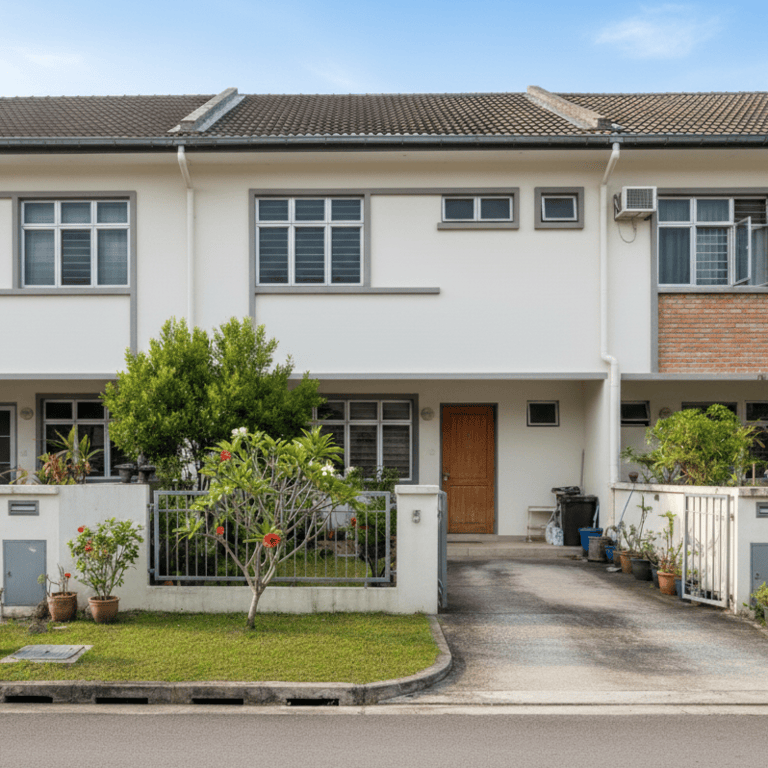
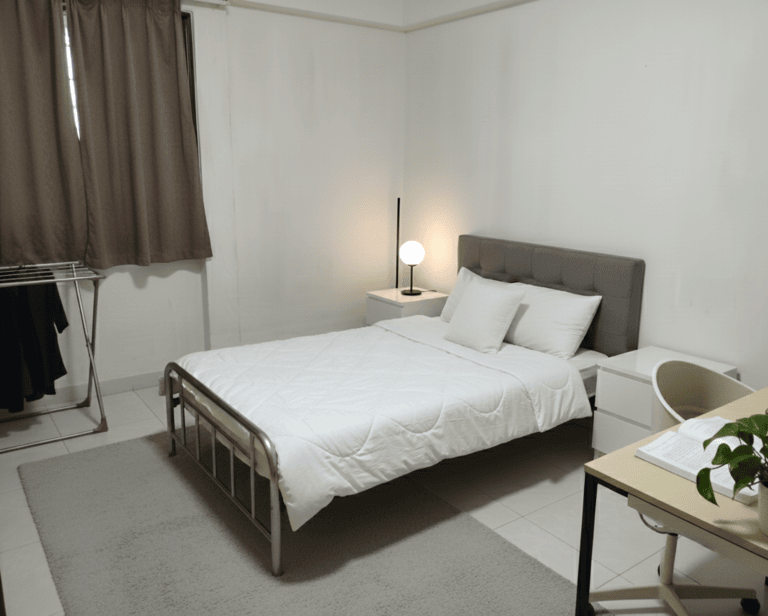
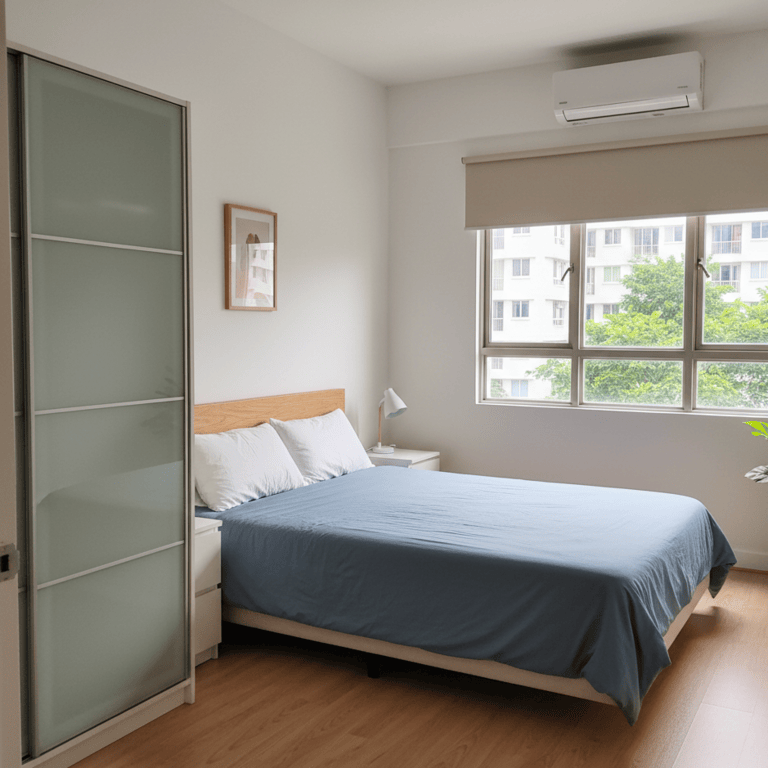
Prepare a list of questions about utilities, maintenance, lease terms, and neighborhood amenities. Bring a measuring tape for furniture planning and take photos/videos for later comparison. Check water pressure, electrical outlets, mobile reception, and natural light. View properties at different times if possible to assess noise levels and traffic patterns.
1-bedroom units offer better work-life separation than studios with a dedicated bedroom for sleep and living area for work. You can have video calls without showing your bed, and maintain professional backgrounds. However, the limited space means you'll need efficient furniture and good organization. Consider noise levels from neighbors and ensure good internet connectivity for reliable remote work.
For unit-specific issues, contact your landlord first. For common area problems or facility issues, you can report directly to condo management. Some condos have apps or online portals for maintenance requests. Understand the difference between landlord responsibilities (your unit) and management responsibilities (common areas) to report issues to the right party efficiently.
3-bedroom units offer excellent flexibility for families. Start with a master bedroom, nursery, and guest room/study. As children grow, convert the study to a second child's room. The extra space allows for toy storage, play areas, and separate study zones. Consider child-proofing requirements and proximity to good schools when choosing location.
Check that the kitchen has adequate ventilation to prevent cooking smells from overwhelming the living space. Ensure sufficient counter space for meal prep and storage for kitchen essentials. Look for a proper range hood and consider the proximity to your sleeping area. Some studios have kitchenettes with limited cooking capabilities - confirm this meets your culinary needs.
Yes – condos strictly limit renovation noise to certain hours. Loud work (like drilling) is only allowed on weekday daytimes (no noisy construction at night or on Sundays). Any repairs or renovation you plan must also be scheduled within the allowed daytime hours.
Look for persistent damp smells, water stains, mold, warped wood, peeling paint, pest traces, and poor ventilation. Test taps, appliances, windows, and locks. If something seems off or the landlord avoids answering questions, consider it a red flag.
Usually, but not always. Some ‘master’ rooms share a bathroom. Confirm if it’s attached, exclusive, and ventilated, and check water pressure, heater type, and any morning queue issues.