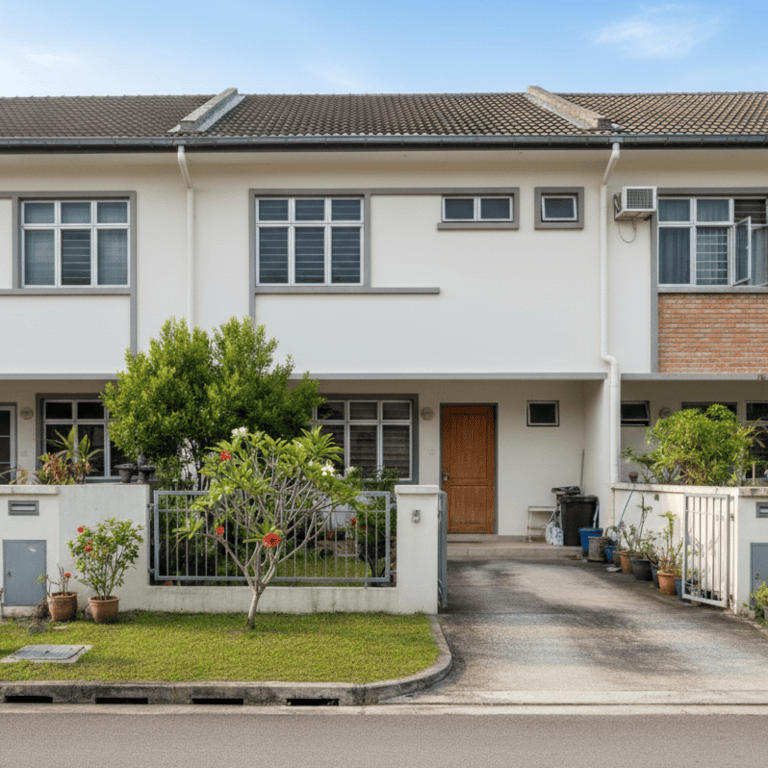
Generally, HDB flats are most affordable, condominiums cost 30-50% more than comparable HDB units, and landed houses are the most expensive. However, prices vary significantly by location - a prime location HDB might cost more than a suburban condo. Factor in additional costs like condo maintenance fees, landed house utilities, and transport expenses when comparing total housing costs.
Landed properties typically have higher utility costs due to size, multiple levels, and outdoor areas. Understand how water, electricity, and gas are metered, whether outdoor lighting or water features affect costs, and if there are separate meters for different areas. Budget accordingly for potentially significant utility expenses.
Ask whether pets are allowed, any size or breed restrictions, and cleaning expectations before move out. Disclose allergies or sensitivities early. If you need small modifications, like childproof latches, get written consent and agree on reinstatement responsibilities.
Agree on clear house rules with your flatmates early. Clarify quiet hours, overnight guests, cooking frequency, kitchen use, fridge space, and laundry timing. Discuss cleaning expectations for kitchen and bathrooms. Check rules about smoking or pets. Setting these expectations from the start helps prevent conflicts and keeps everyone comfortable.
Look for termite trails, droppings, and swollen wood. Check ceilings and corners for water stains and bubbling paint. Outside, inspect gutters and downpipes after rain. Ask about previous treatments and how quickly issues are handled when reported.
Short stays exist but many landlords prefer 12‑month leases. If you need flexibility, ask about minimum term, extension options, and early termination fees before you pay a deposit.
Equal split is common, but consider room size differences and individual usage patterns. Master bedroom tenants might pay slightly more due to ensuite usage and larger space. Track air-con usage if one person uses it significantly more. Some roommates prefer separate electricity meters or smart plugs to monitor individual consumption for fairer billing.
Yes, but requires planning. The separate bedroom allows one person to sleep while the other works or watches TV in the living area. Consider blackout curtains and sound management. Some couples prefer open-plan studios for togetherness, while others need the bedroom separation for different sleep schedules or work-from-home arrangements.