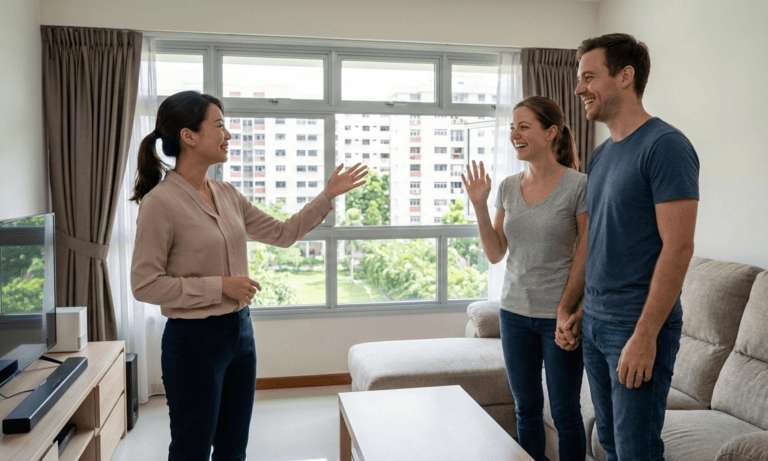
HDB estates periodically undergo upgrading works that can last months. This includes lift upgrading, facade improvements, and infrastructure updates. Renovation noise from neighbors is also common and allowed during specific hours (usually 9am-6pm on weekdays). Check if any major upgrading works are planned for your block before signing a lease.
More space means more maintenance responsibilities. Budget extra time and money for cleaning, air-con servicing for multiple units, and potential repairs across more rooms. Consider hiring help for regular cleaning or establish clear maintenance schedules if sharing. More space also means higher wear and tear on common areas.
Not all HDB blocks have lifts on every floor. In some older blocks, the lift may stop only on certain levels, meaning you’d need to take the stairs for a floor or two. Check if the flat’s floor has direct lift access for convenience, especially if you have lots to carry or anyone with mobility issues. (Newer blocks usually have lifts on every floor.)
Landlords typically have property insurance, but this doesn't cover your personal belongings. Consider renter's insurance for your possessions and personal liability. Some policies cover temporary accommodation if the unit becomes uninhabitable. Check if your landlord requires you to have insurance and understand what's covered under their policy versus what you need to protect yourself.
Compare price per square foot with similar units, factor in included utilities and amenities, and consider location convenience. A slightly higher rent might be worth it for better layout, natural light, or building facilities. Consider long-term costs like transportation and whether the space meets your actual needs.
HDB flats are government-built public housing with practical layouts and affordable rent, but fewer amenities. Condominiums are private developments with facilities like pools and gyms, but higher rent and management fees. Landed houses offer the most space and privacy with gardens, but are the most expensive and may be further from public transport. Each serves different lifestyle needs and budgets.
Ventilation is key. Always use the range hood when cooking and open windows if you can. In a studio, smells travel fast, so clean up right after cooking. You can also light a scented candle or simmer lemon water to help clear the air.
Yes, but you need to plan your space carefully. Dedicate a corner for a small desk (or a foldable wall-mounted desk)6}. Use a shelf or curtain to separate your “office” from your bed. Having that defined work zone helps you focus in a studio.